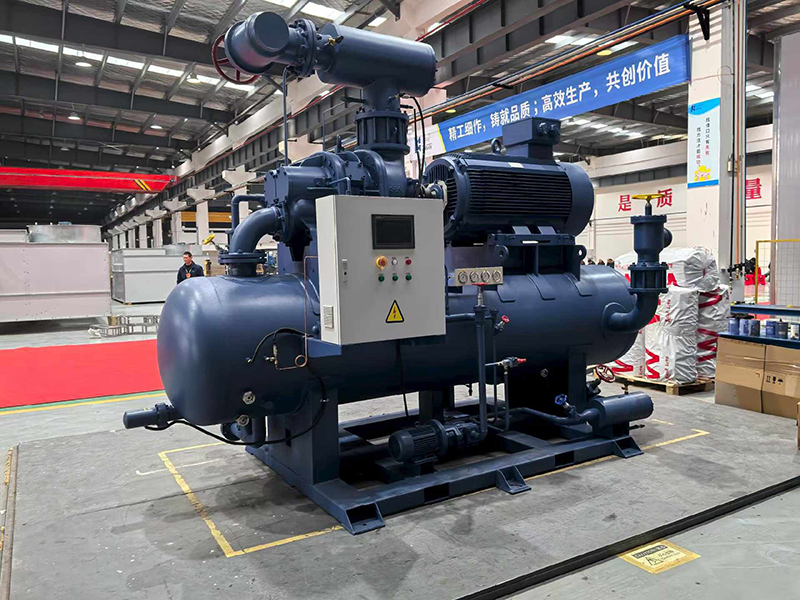
What Happens When Your Plate Freezer's Hydraulic System Fails?
Unexpected failure in a plate freezer's hydraulic system can halt production, compromise food quality, and increase operational costs. At Lynxcool Refrigeration Tech Co., Ltd., years of experience with cold storage and systems show how understanding, maintaining, and troubleshooting hydraulic mechanisms is critical for uninterrupted operations in food, pharmaceutical, and logistics environments.
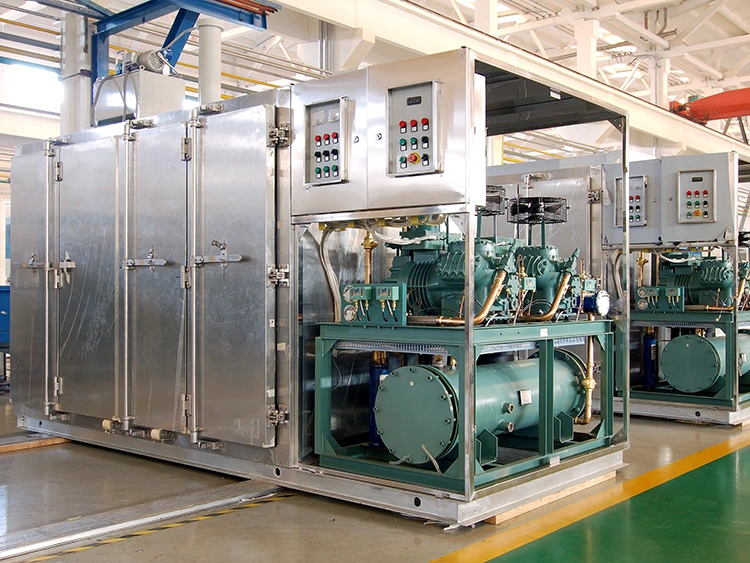
Why Hydraulic Systems Are Essential
Plate freezers rely on hydraulic systems to move freezing plates efficiently and safely. These systems control the mechanical pressure and motion that ensures rapid, even freezing of products. Any malfunction, from leaks to pressure drops, directly affects throughput, product integrity, and energy efficiency.
Common Causes of Hydraulic Failure
1. Fluid contamination: Dirt or moisture can damage pumps and valves.
2. Seal or gasket wear: Over time, seals degrade, leading to leaks and pressure loss.
3. Pump failure: Mechanical wear or improper maintenance reduces pumping efficiency.
4. Incorrect oil viscosity: Using the wrong hydraulic fluid can compromise system performance.
5. Overloading: Exceeding recommended load limits strains the hydraulic cylinders and motors.
Table 1: Impact of Hydraulic Failure on Plate Freezer Operations
| Failure Type | Immediate Effect | Operational Consequence | Suggested Inspection |
|---|---|---|---|
| Leaking seals | Loss of hydraulic pressure | Plates may not close fully, uneven freezing | Check seals and replace |
| Pump malfunction | Reduced flow rate | Slower freezing, higher energy use | Test pump performance |
| Contaminated fluid | Wear on valves and cylinders | Increased breakdown risk | Filter fluid, flush system |
| Overload | Mechanical strain | Shortened component life | Ensure load within specifications |
Maintenance Practices to Minimize Downtime
Regular preventive maintenance is key to avoiding unexpected hydraulic failures. At Lynxcool, a structured approach has proven effective:
• Routine inspections: Daily visual checks of hydraulic lines, connectors, and fluid levels.
• Scheduled fluid replacement: Replacing hydraulic oil according to operational hours reduces contamination and wear.
• Component testing: Periodic testing of pumps, valves, and pressure sensors ensures performance reliability.
• Staff training: Operators trained in hydraulic troubleshooting can detect early warning signs.
Freezer System Checklist
| Component | Inspection Frequency | Key Checks |
|---|---|---|
| Hydraulic pump | Monthly | Noise, vibration, flow rate |
| Cylinders | Monthly | Leaks, smooth motion |
| Valves | Quarterly | Pressure stability, response |
| Hoses & fittings | Quarterly | Cracks, corrosion, proper torque |
| Hydraulic oil | Every 6 months | Viscosity, contamination, color |
Operational Risks of Ignoring Hydraulic Issues
Failure to address hydraulic problems promptly can lead to:
• Product spoilage: Inconsistent freezing can compromise texture and shelf life.
• Extended downtime: Repairs may require halting operations for hours or days.
• Energy inefficiency: Struggling systems consume more power.
• Equipment damage: Prolonged operation with hydraulic faults accelerates wear on plates and frames.
Design Considerations and Redundancy
Modern plate freezers often integrate redundancy measures to prevent total shutdown. Dual hydraulic circuits, pressure relief valves, and automated monitoring systems help maintain operations even if one component fails. We emphasizes system design with safety margins and performance monitoring for long-term reliability.
Recommended Hydraulic Specifications
| Parameter | Recommended Range | Notes |
|---|---|---|
| Hydraulic oil type | ISO VG 32-46 | Match ambient temperature |
| Operating pressure | 120-160 bar | Depends on plate size and load |
| Cylinder stroke | As per model | Ensure full closure of plates |
| Pump flow rate | 20-40 L/min | Adjust for system size |
Real-World Applications and Insights
In the food processing industry, plate freezers are vital for seafood, poultry, bakery, and ready-meal production. Proper hydraulic system management ensures rapid freezing, preserves product quality, and reduces energy consumption. Pharmaceuticals and laboratories also rely on precise freezing control for sensitive materials, highlighting the importance of preventive maintenance and system reliability.
Practical Tips for Operators
1. Monitor hydraulic pressure daily – unexpected drops signal early faults.
2. Record maintenance events – helps identify recurring issues.
3. Check alignment of plates – misaligned plates can strain hydraulics.
4. Keep spare components on hand – minimize downtime in emergencies.
Hydraulic system performance is the backbone of any frezzers. Proactive maintenance, careful monitoring, and robust system design prevent operational disruption, protect product quality, and optimize energy efficiency. Companies like Lynxcool Refrigeration Tech Co., Ltd. demonstrate that understanding hydraulic systems, combined with structured maintenance routines, ensures plate freezers deliver reliable and long-lasting performance. Regular checks, fluid management, and adherence to operational guidelines transform potential downtime into predictable and manageable maintenance cycles, securing consistent production outcomes.
Previous :
-
Related News
Leave me a message