Reliable High Efficiency Condenser Solutions
Heat rejection is one of the most underestimated challenges in refrigeration system design. A condenser that underperforms causes elevated condensing pressures, reduced compressor capacity, increased energy consumption, and shortened equipment life. So how to choose the right condenser for your refrigeration or HVAC system? Lynxcool, manufactured in China and exported worldwide, offers a full condenser product range engineered for thermal efficiency, corrosion resistance, and long service life.
Lynxcool produces evaporative condensers (both parallel-flow and counter-flow configurations), air-cooled condensers, water-cooled condensers, and cooling towers — covering virtually every heat rejection scenario in industrial and commercial refrigeration. Whether your application is a large ammonia cold storage plant, a CO₂ transcritical supermarket system, or a Freon-based food processing facility, our products are sized and built to keep your system running at optimal condensing pressures.
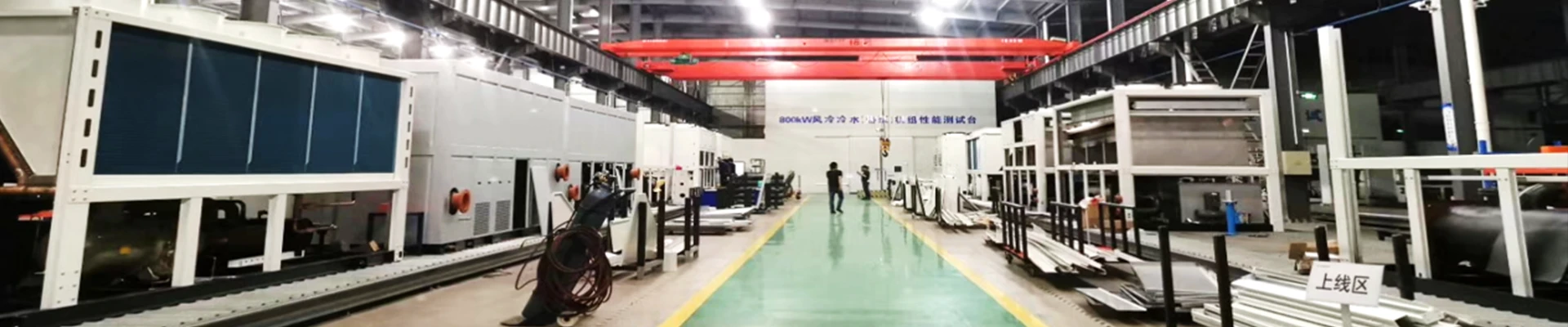
As a source factory in China, Lynxcool maintains full control over condenser design, material procurement, tube and fin fabrication, and final assembly. Our evaporative condensers, for example, are constructed with hot-dip galvanized or stainless-steel frames, high-efficiency spray systems, and low-noise axial fans — engineered for years of outdoor operation in demanding climates. Our air-cooled condensers use micro-channel or copper-tube aluminium-fin coil technology optimized for maximum airside heat transfer with minimal pressure drop.
Lynxcool's condensers offer the performance of premium European-brand products at Chinese factory pricing — without sacrificing quality, compliance, or delivery reliability. We work closely with engineering contractors, system integrators, and end-users to ensure that each condenser is correctly specified and matched to the broader refrigeration system, including compressor units, evaporators, and system controls. Lynxcool's products are exported with full technical documentation, supporting buyers who require CE marking and international safety certifications.
- View as
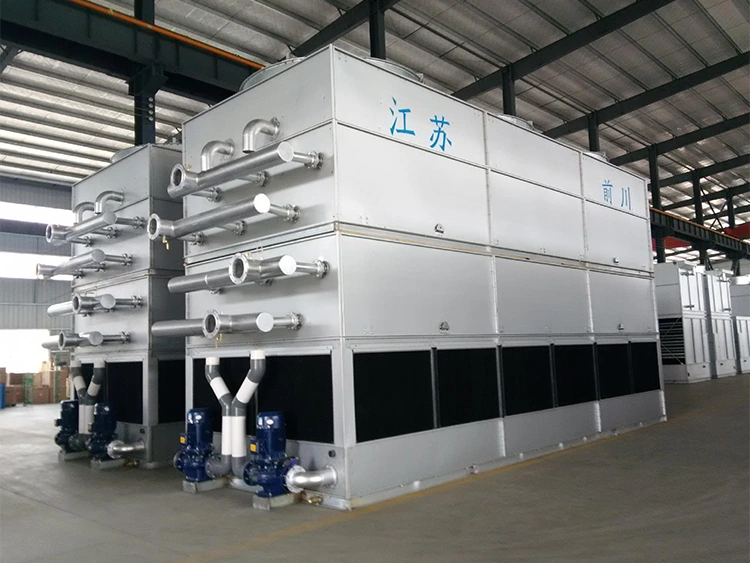
Parallel Flow Evaporative Condenser
The Parallel Flow Evaporative Condenser from Lynxcool, manufactured in China, is a high-efficiency industrial cooling solution designed for large cold storage, food processing, and low-temperature refrigeration systems. Featuring parallel-flow evaporative cooling technology and optimized coil arrangements, it offers a condensing capacity of 100–1240 kW, customizable to project requirements.
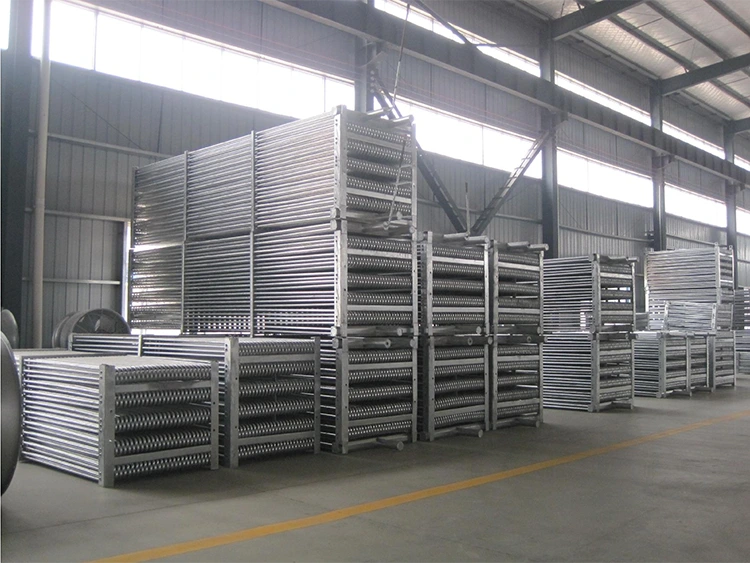
Counter-Flow Evaporative Condenser
Lynxcool, a leading manufacturer in China, offers the Counter-Flow Evaporative Condenser, a high-efficiency industrial condenser. Its counter-flow design maximizes heat transfer, reduces circulating water to 1/8 of a traditional shell-and-tube + cooling tower system, and lowers energy consumption by approximately 50%. Widely used in food processing, pharmaceuticals,it features a compact structure for easy installation and long-term stable operation.
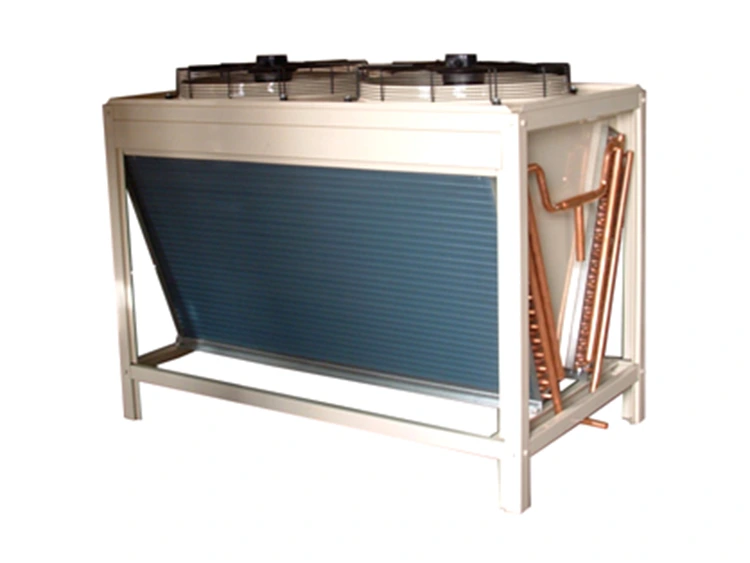
Air-Cooled Condenser
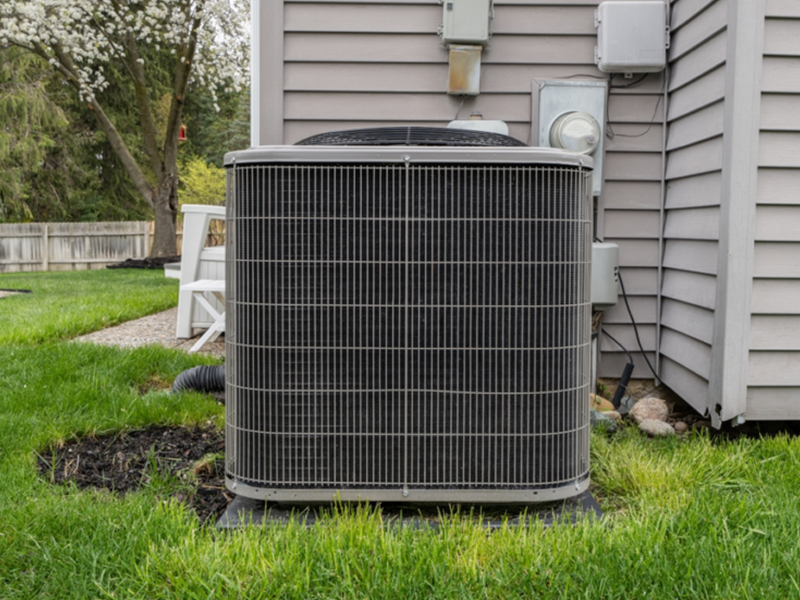
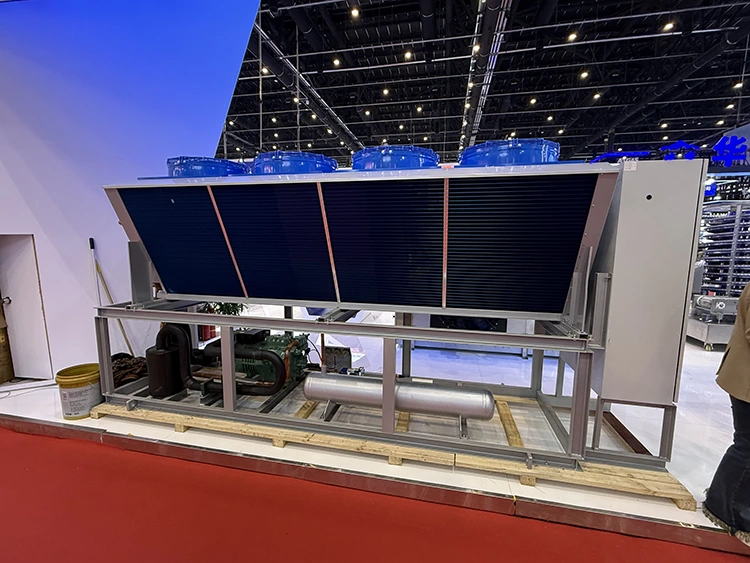
Lynxcool Air-Cooled Condenser produced in China, offers high-efficiency heat rejection without water supply. Perfect for commercial cold storage, supermarket refrigeration, or industrial process cooling, it features aluminium finned coils, V-shape or flat horizontal configurations, EC inverter fans, and multi-refrigerant compatibility. Reliable, low-maintenance, and globally exported, ideal for bulk procurement and system integration.
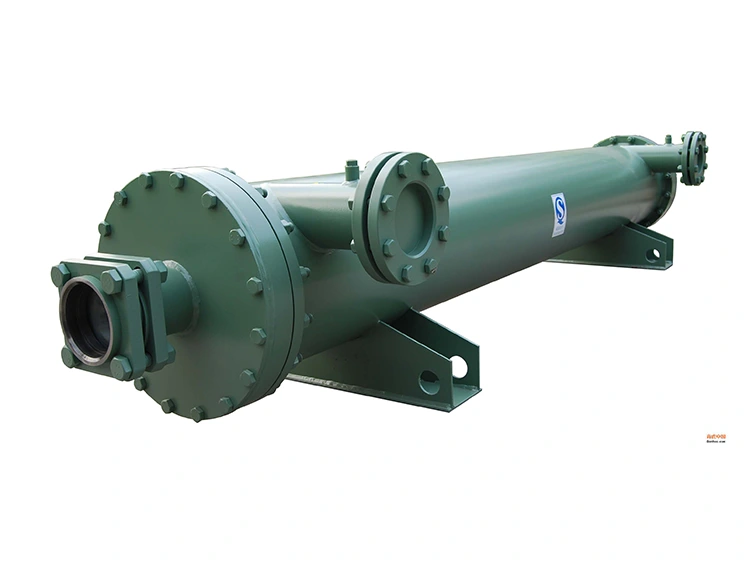
Water-Cooled Condenser
Lynxcool, a leading China manufacturer and supplier of high-quality Water-Cooled Condenser, delivers reliable refrigeration solutions for industrial, commercial, and marine applications. Its condensers, including shell-and-tube, brazed plate, and double-pipe types, ensure high efficiency, durable operation, and compliance with international standards for various refrigerants.
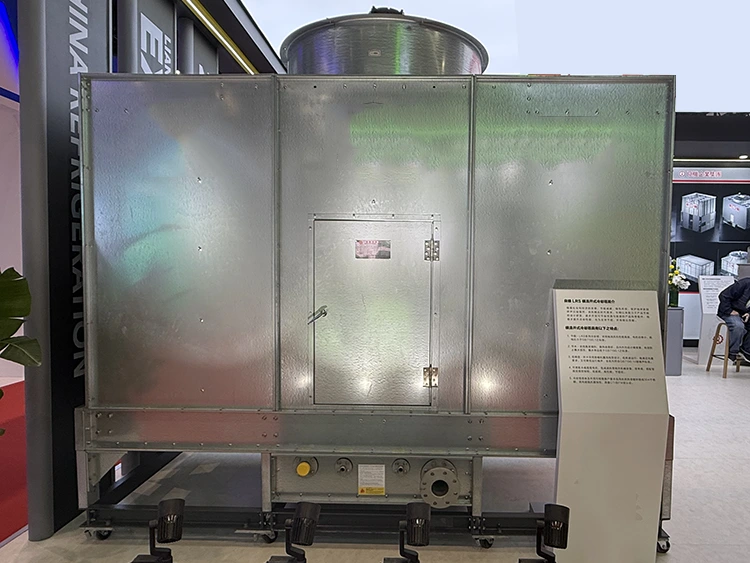
Cooling Tower
Lynxcool, a leading China manufacturer and supplier, offers high-quality Cooling Tower designed for industrial and commercial refrigeration. Built with ISO 9001-certified processes, it delivers superior heat rejection, reduces energy costs, and ensures reliable operation. Available in counter-flow and cross-flow designs, it supports multi-cell configurations and extreme climate conditions, providing scalable solutions for cold storage, HVAC, and process cooling systems worldwide.
As a reliable Condenser manufacturer and supplier in China, we have our own factory. If you want to buy high-quality Refrigeration Units, please contact us.