Compressor vs. Condenser: Understanding the Core of Efficient Refrigeration
In any refrigeration system, two components play a decisive role in performance and efficiency: the compressor and the condenser. Often described as the “heart” and the “heat dissipator” of a refrigerator, these two parts work in perfect coordination—yet their functions and working principles are fundamentally different. Understanding their roles is key to choosing a reliable and energy-efficient refrigeration solution.
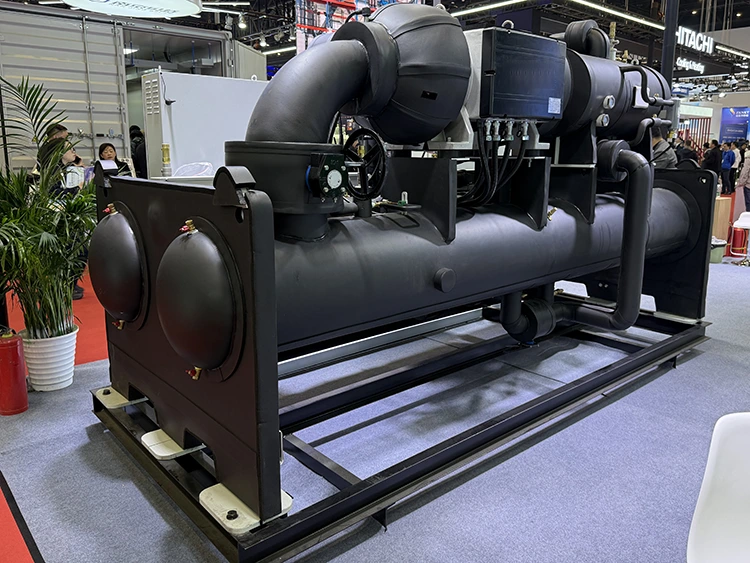
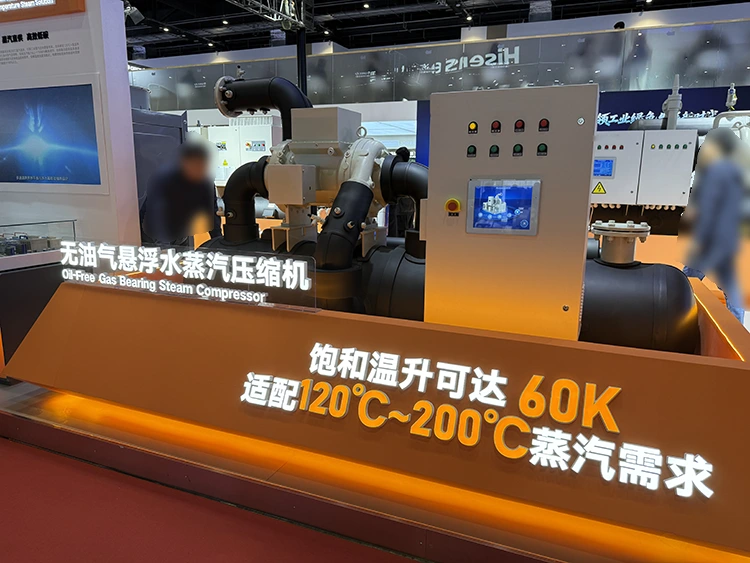
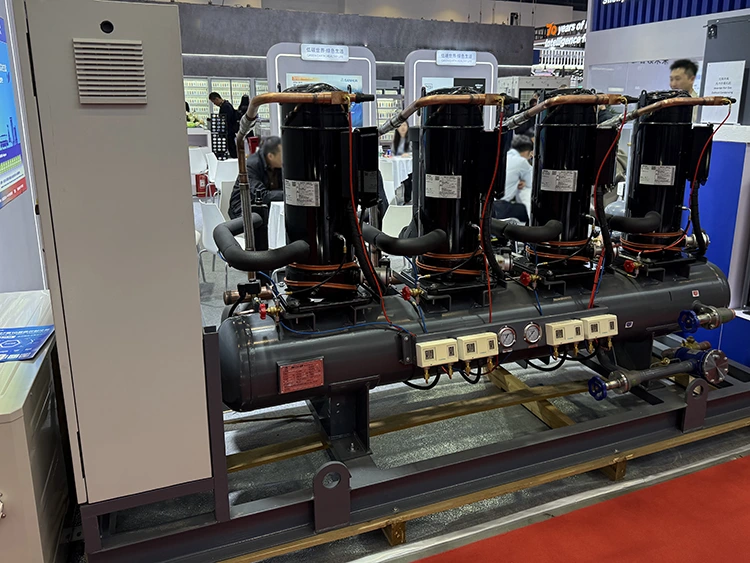
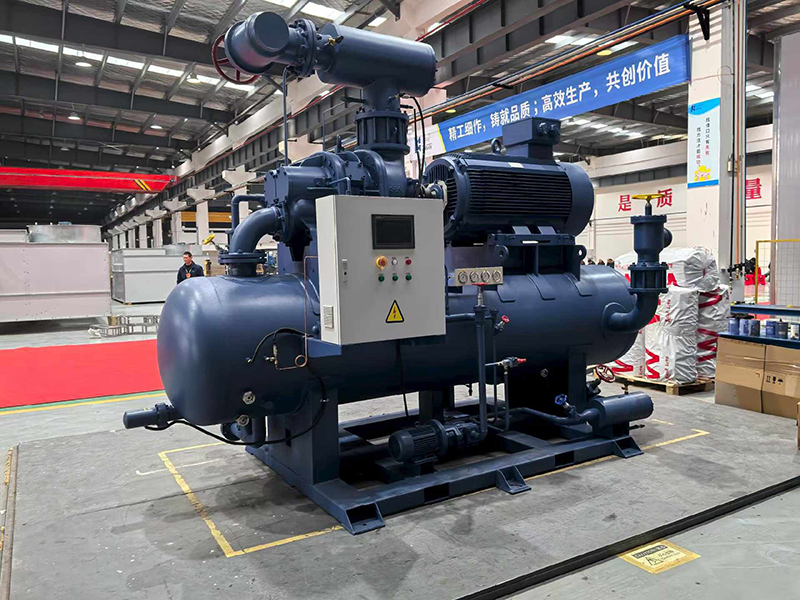
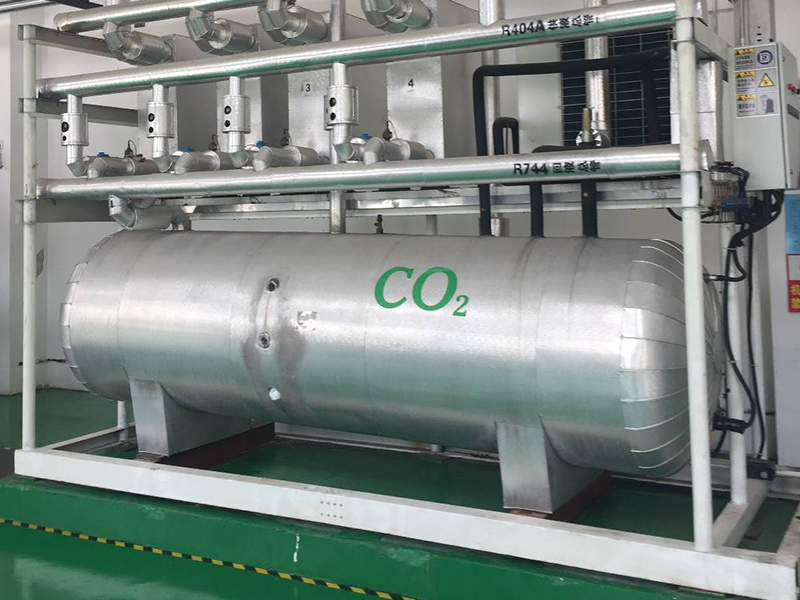
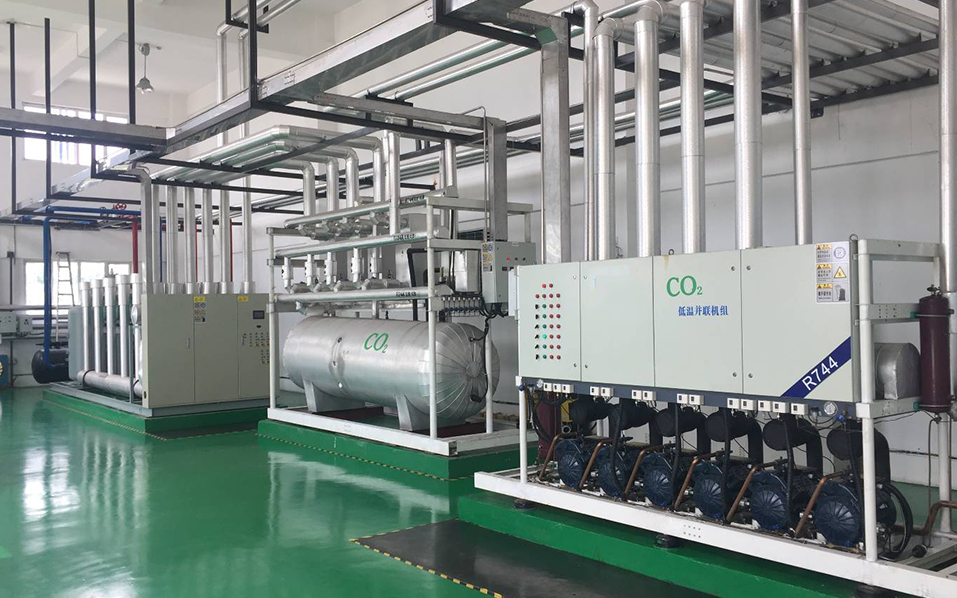
The compressor is responsible for driving the entire refrigeration process. It draws in low-temperature, low-pressure gaseous refrigerant from the evaporator and compresses it into a high-temperature, high-pressure gas. This transformation not only increases the refrigerant’s pressure but also provides the energy required for continuous circulation throughout the system.
Without the compressor, there would be no movement of refrigerant—and no cooling effect. That’s why it is widely regarded as the most critical component in any refrigeration system.
Our advanced compressors are engineered for high efficiency, durability, and stable performance. With optimized compression technology, they reduce energy consumption while ensuring consistent refrigerant flow—helping customers achieve better cooling results with lower operating costs.
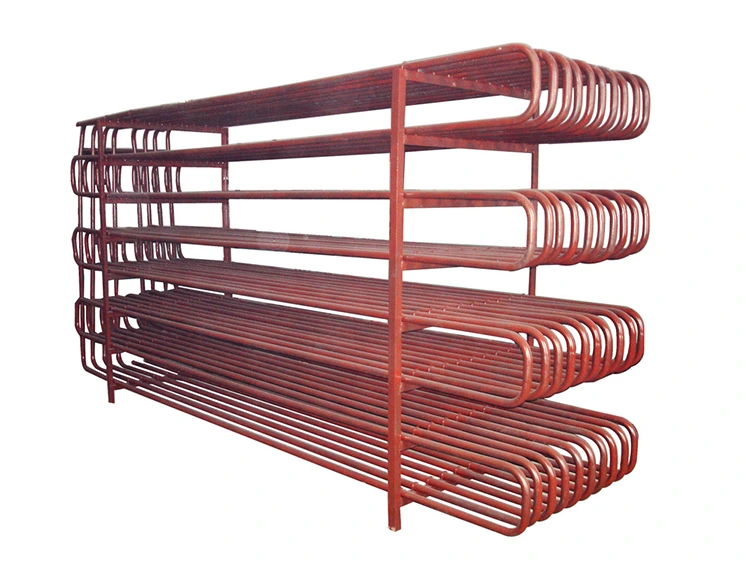
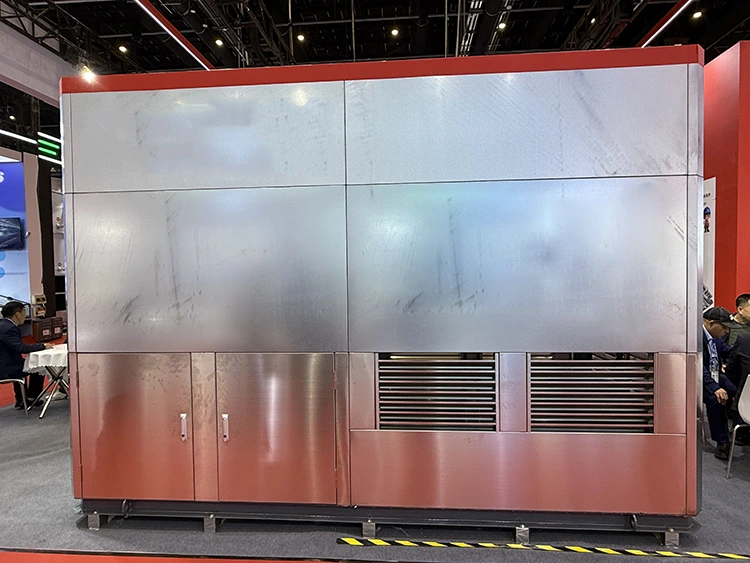
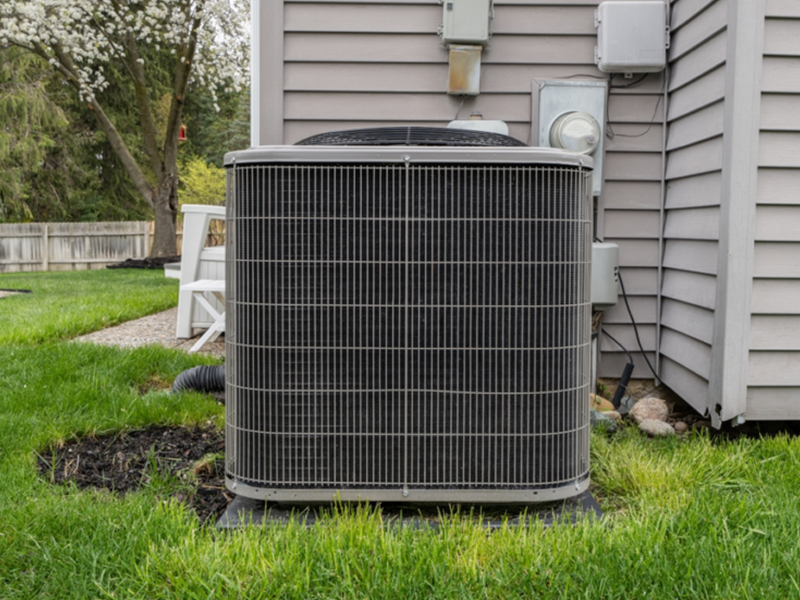
Once the refrigerant leaves the compressor, it enters the condenser. Here, the process shifts from compression to heat dissipation. The condenser transfers heat from the high-temperature refrigerant to the surrounding air, allowing it to cool and transform into a high-pressure liquid.
This step is essential: only after releasing heat can the refrigerant continue through the system to absorb heat again and produce the desired cooling effect.
Our high-efficiency condensers are designed with optimized heat exchange structures, significantly improving heat dissipation performance. This not only accelerates the cooling cycle but also enhances the overall energy efficiency of the refrigeration system.
Key Differences That Matter
While both components are indispensable, their roles are clearly distinct:
Category
Compressor
Condenser
Working Principle
Uses mechanical force to compress refrigerant gas
Relies on heat exchange to convert gas into liquid
Function in the System
Drives refrigerant circulation
Enables heat release and cooling
Installation Position
Typically at the bottom or rear of the unit
Positioned externally (coils/plates) for max air contact
“The performance, efficiency, and lifespan of a refrigeration system depend heavily on the quality of its core components. By optimizing both compressors and condensers, we ensure seamless cooperation between power generation and heat dissipation.” — Our Technical Director
Engineered for Performance, Built for Reliability
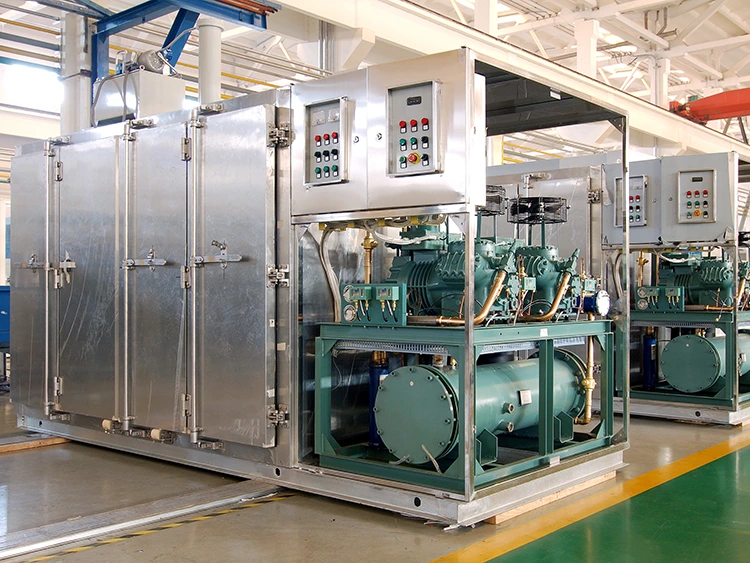
Our products are manufactured using high-precision processes and premium materials, ensuring long-term reliability even under continuous operation. Whether for household, commercial, or industrial refrigeration, we provide customized solutions tailored to specific cooling requirements.
Beyond Products: Complete Support for Our Customers
In addition to delivering high-quality components, we offer comprehensive technical support—from installation guidance to maintenance and troubleshooting. Our global after-sales network ensures that customers receive timely assistance, helping their systems maintain peak performance.
Driving the Future of Refrigeration
As the industry moves toward greater energy efficiency and environmental sustainability, we remain committed to continuous innovation. By improving compressor performance and enhancing condenser efficiency, we help our partners build refrigeration systems that are not only powerful and reliable, but also energy-saving and environmentally responsible.
We use cookies to offer you a better browsing experience, analyze site traffic and personalize content. By using this site, you agree to our use of cookies.Privacy Policy